Elliot Park
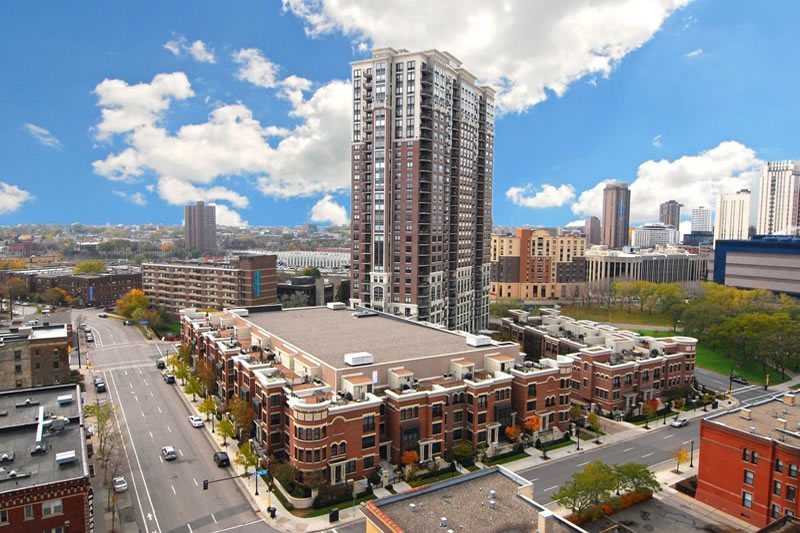
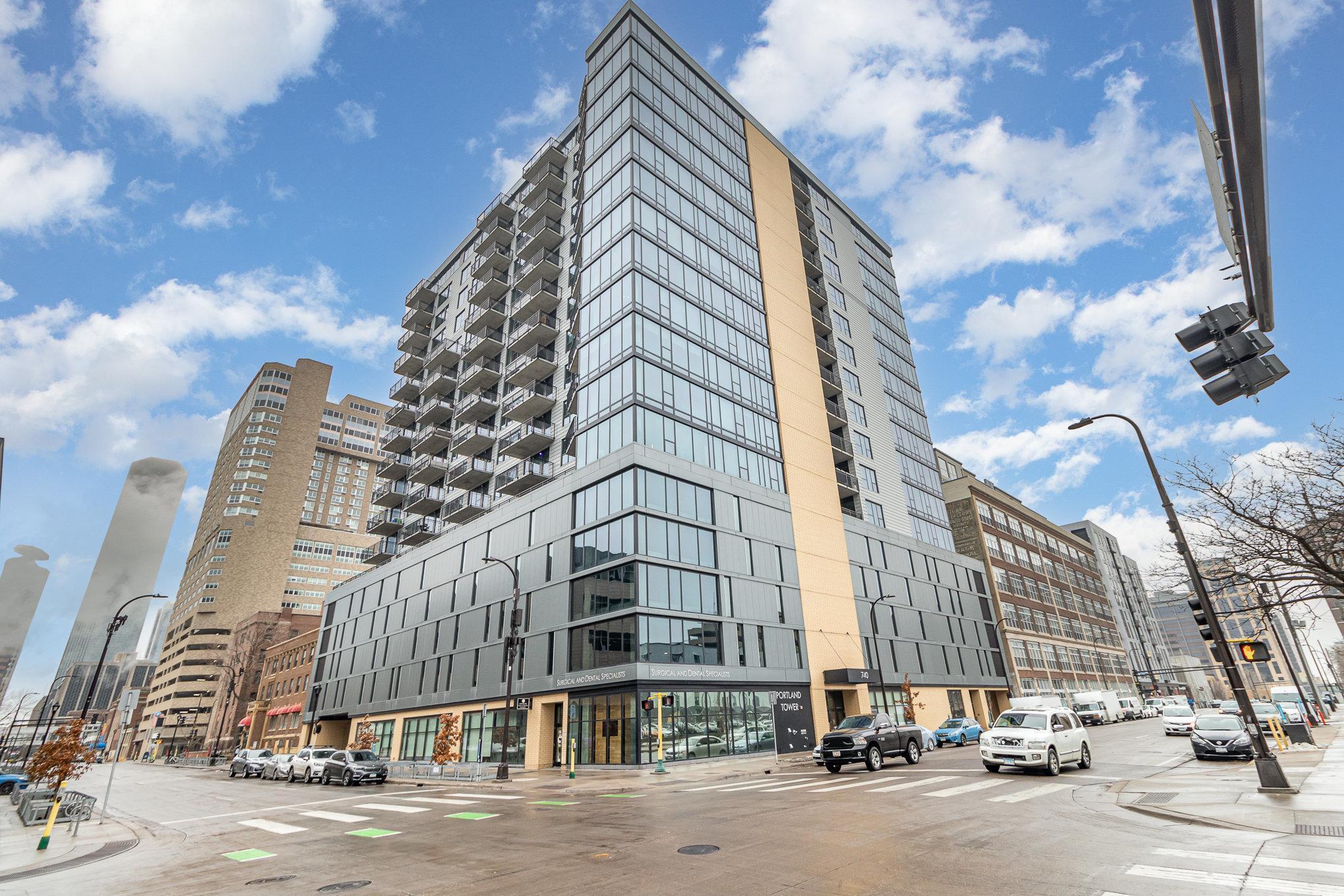
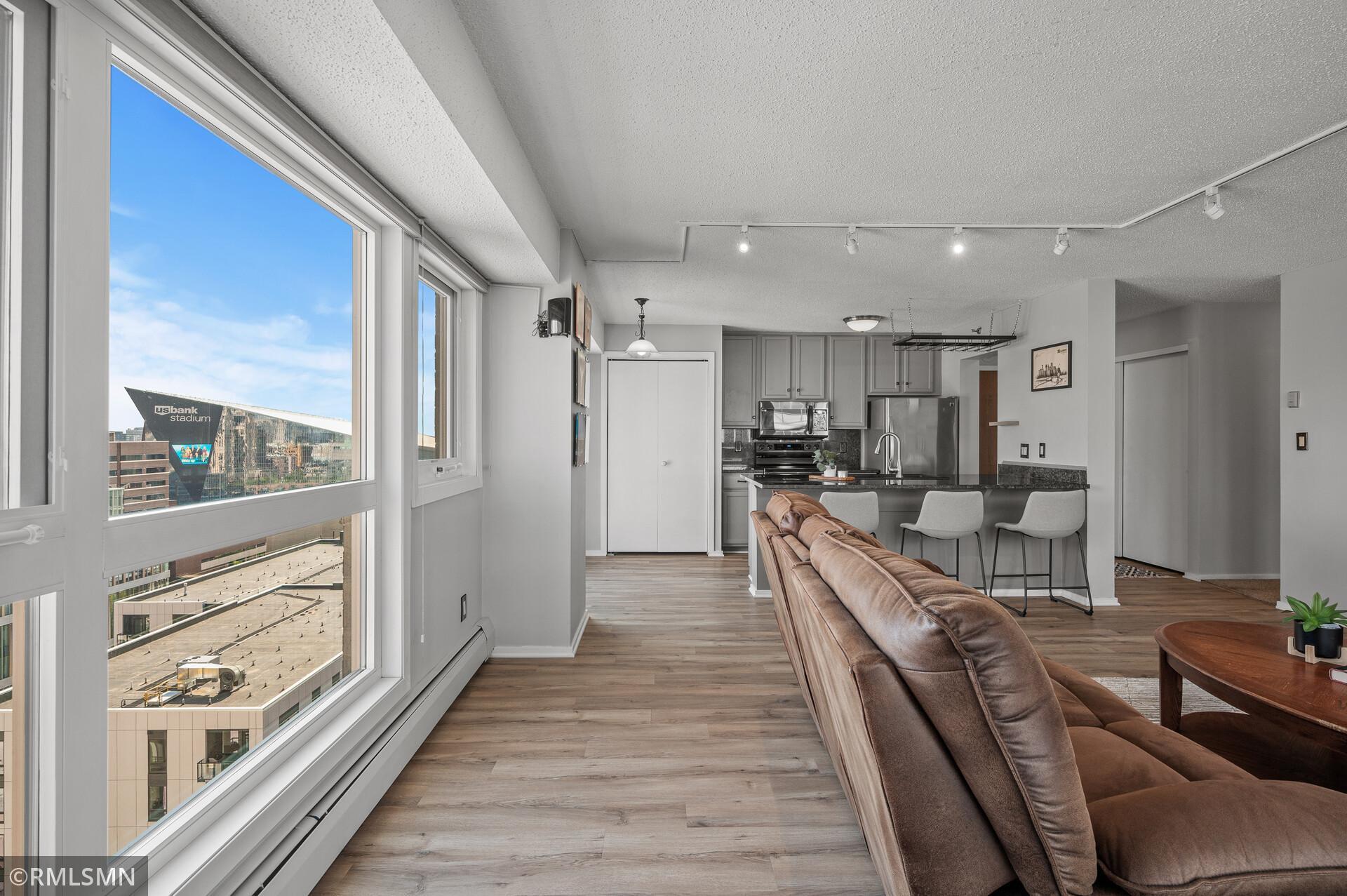
Elliot Park is located on the southest corner of Downtown Minneapolis. It’s one of the oldest sections of the city and was very fashionable in it’s day. There are still many historic buildings including brownstones and early mansions. Today, Elliot Park is being revitalized with a combination of highrise condos, shops and restaurants - and the new Vikings stadium. The future is looking bright for this historic neighborhood.
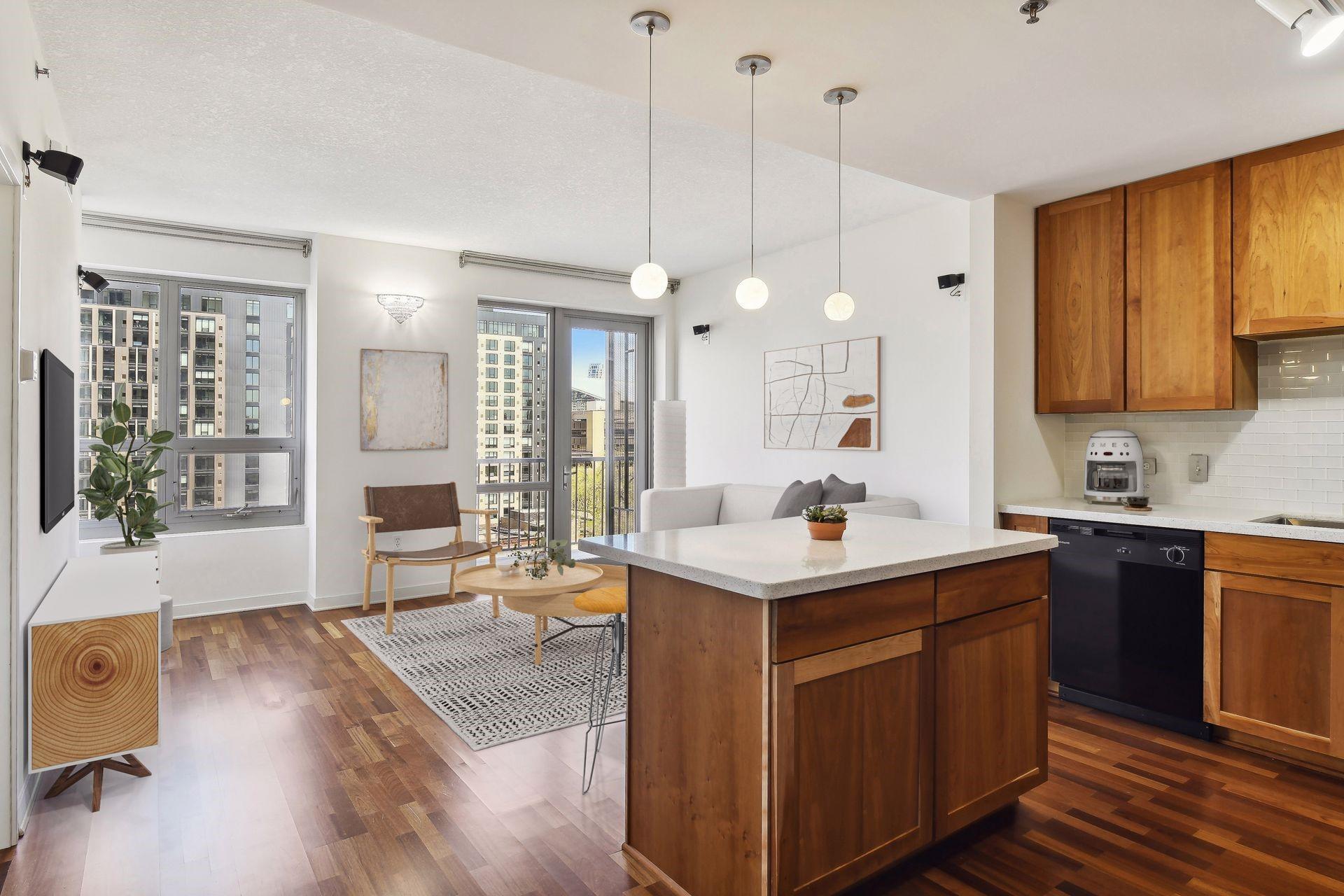
Condos, Lofts and Townhomes for Sale in Elliot Park
| All Listings | $100,000 - $200,000 | $200,000 - $300,000 |
| $300,000 - $400,000 | $400,000 - $500,000 | $500,000 - $600,000 |
| $600,000 - $700,000 | $700,000 - $800,000 | $800,000 - $900,000 |
Is this your first visit to Minneapolis Urban Homes?
Did you know if you Register you have access to unlimited searches and free search tools including the ability to save listings and property searches? Did you know that you can bypass the search altogether and have listings sent directly to your email address? Check out our how-to page for more info.
Elliot Park Condos & Lofts
Along with the parks, brownstones and tree lined avenues, new development is taking place, both commercial and residential. Elliot Park is also the home of Hennepin County Municipal Center and North Central University. As the residential community in Minneapolis continues to grow, look for Elliot Park to benefit. The combination of proximity to the business district and all of the development on this end of downtown directly related to the Vikings stadium will make for a brighter future for this old neighborhood.
Are you interested in learning more about the Elliot Park neighborhood and all of the urban home options? If so, the journey to your new home starts here! Contact Richard Newman today to discuss how we can help to make your dream home a reality.
A Buyer's Guide to Homes in Elliot Park and the Mill District, MN
The Mill District and Elliot Park sit right in the center of Downtown Minneapolis, part of the Minneapolis-St. Paul metro area. The population here runs about 2,591 residents - a genuinely dense urban environment compared to anything you'd find in the surrounding suburbs.
If you're shopping in Hennepin County, you'll mostly be looking at the 55401 and 55415 ZIP codes. The market here is built around historic conversions, modern developments, and a location that puts you within walking distance of major city landmarks.
What to Know About the Mill District and Elliot Park Real Estate Market
The median sale price in the 55415 area - which covers most of this downtown sector - sits at $497,388 as of mid-2026. That number is doing a lot of averaging: it blends smaller urban units with multi-million dollar luxury lofts, so it's less a snapshot of any one property type and more a reflection of the full range.
Right now you're looking at a relatively balanced market. There's about 5.5 months of supply available, and homes are spending roughly 46 days on market before going under contract. That gives you a reasonable window to actually look at things before you have to decide.
Deciding When to Buy in Downtown Minneapolis
There are 56 active listings in the pool right now. That sounds like options - and it is - but if you have strong preferences about a specific building, your real choices narrow quickly. Sellers are averaging about 97.32% of their list price, which means there's some room to negotiate, though units with direct river views tend to hold their pricing better than most.
Who Usually Buys Here
The buyer pool here is pretty varied - relocators who need to be close to downtown offices, investors looking for rental properties, and people who simply want to walk everywhere and be done with it. What you won't find much of is detached single-family housing. The density of this neighborhood means the overwhelming majority of available properties are attached units. Buyers seeking traditional detached homes often expand their search to neighborhoods like Keewaydin. If walkability and proximity to cultural sites are driving your search, this is where that search leads.
Market Data for the 55415 Area
Over the latest tracking period, 31 homes sold in this downtown zone. The 5.5 months of supply puts this squarely in balanced territory - neither side of the table has a strong advantage at the moment.
Bidding wars are rare here. Only about 6.67% of homes sold above list price, and those tend to be extensively upgraded units. That said, you should pay attention to the specific building you're targeting. Days on market can look very different between an older Elliot Park mid-rise and a newer Mill District luxury tower - the aggregate number doesn't tell that story.
Inventory and Competition Levels
The 56 homes currently for sale vary significantly in size, age, and condition. A median of 46 days on market means you don't need to panic-write an offer the morning a property hits the MLS. You do, however, want your financing ready to go so you can move when the right floor plan turns up.
Price Segments in the Neighborhood
The $497,388 median stretches in both directions. Entry-level units in older buildings pull it down; the luxury end includes things like a $4.5 million condo sale recorded in 2025. Define your budget before you start touring buildings, because the gap between what's available at the low end and what's available at the high end is wide enough that it essentially describes two different markets.
Types of Homes for Sale in the Mill District
Single-family homes are genuinely rare here - close to nonexistent. What you're shopping is condos, townhomes, and historic loft conversions, with new construction appearing occasionally when a developer converts older commercial space into a modern residential tower.
Those newer buildings tend to come loaded with amenities. That's worth knowing before you fall in love with the finishes, because it shows up in your monthly carrying costs.
Condos and Historic Lofts
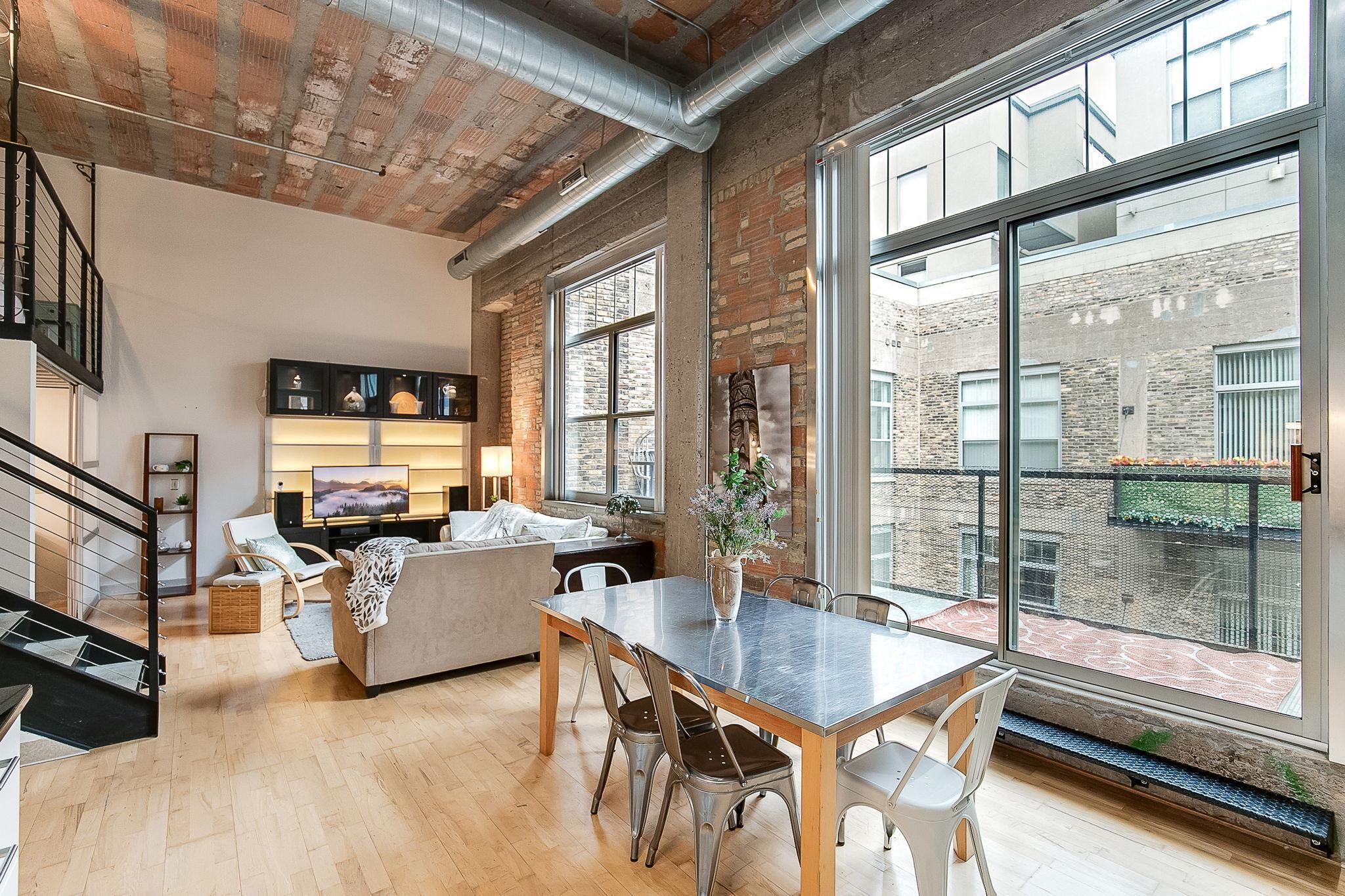
The area's industrial past is a real selling point for a lot of buyers. Converted flour mill units - exposed brick, high ceilings, oversized windows - attract serious interest. If you're considering one of these older conversions, ask your agent specifically about soundproofing and insulation. The character is genuine; the construction standards are from a different era.
Entry-Level Options and Townhomes
If the riverfront luxury towers are out of range, Elliot Park is where buyers tend to find more affordable entry points. Older condo buildings there carry lower price tags than what you'll see along the river. Townhomes sit somewhere in the middle - multi-level living, private entrances, and a downtown address, without the full premium of the Mill District. Buyers who prefer traditional single-family layouts often shift their search to the Humboldt Greenway.
Exploring Downtown Minneapolis Neighborhoods
The Mill District runs along the Mississippi River, mixing residential buildings with places like the Mill City Museum - which is built into the ruins of the historic Washburn "A" Mill, a National Historic Landmark. It's not a generic downtown neighborhood; the history is physically part of the architecture around you.
Elliot Park sits just to the southwest - a slightly older residential and institutional neighborhood with its own character. Marcy-Holmes is across the river to the northeast, while Holland sits just a bit further north. The North Loop and Downtown West border the area to the north and west.
The Mill District and Nearby Areas
The blocks around the Stone Arch Bridge and the Guthrie Theater carry some of the highest real estate prices in the city. You're buying immediate access to riverfront trails and cultural venues, and the association dues in buildings with unobstructed views of those landmarks reflect that. Buyers who prefer traditional green spaces over riverfront access often search for homes near Lincoln Piyash Kin Zi Park.
Elliot Park and Surrounding Pockets
Elliot Park has a different feel - a mix of historic apartment buildings, institutional campuses, and newer condo developments. For buyers who want to live near downtown without paying for a river view, it's typically the lower barrier to entry.
Location and Commuting in Hennepin County
Living in the 55401 or 55415 ZIP codes puts you at the center of the Minneapolis-St. Paul metro area. I-35W and I-94 both border the downtown sector, so if you're driving, you're on a major highway in minutes.
A lot of residents don't drive much at all. The Metro Blue and Green lines run right through downtown, connecting you to St. Paul, the Mall of America, and major employment hubs across the region without getting in a car.
Proximity to the Airport and Metro
The Minneapolis-St. Paul International Airport (Wold-Chamberlain Airport) is about 11.1 miles from the Mill District - roughly a 23-minute drive, depending on conditions on I-35W or Hiawatha Avenue. The light rail also runs a direct, traffic-free route from downtown straight to the airport terminals, which is genuinely useful if you travel regularly.
Cost of Living and Local Lifestyle
A $497,388 median home price requires a solid income, and that's before you factor in monthly condo association fees. Property taxes here run higher than what you'd pay in the outer-ring suburbs. That's the trade-off for living downtown, and most people who choose it are making it consciously.
What you're trading a private yard for is Gold Medal Park, the Mississippi River trail system, and the ability to walk to restaurants, theaters, and sports venues. For the right buyer, that's not a sacrifice at all. Buyers who prefer having their own private outdoor space often look near McCrae Park instead.
Weather and Climate Expectations
Minnesota has four real seasons, including winters that are not gentle. If you're moving from out of state, confirm whether a prospective unit includes heated underground parking before you get too attached to it. Finding a surface lot in January is one thing; digging your car out of one during a downtown snowstorm is another thing entirely.
Hiring a Real Estate Agent in Minneapolis, MN
Downtown condo transactions have their own quirks, and you want an agent who actually knows them. Someone with real experience in Elliot Park and the Mill District will know which buildings have pending assessments, which associations are financially healthy, and which parking deed structures are worth paying attention to.
Interview more than one agent. Ask about their experience with Hennepin County property transactions specifically, and make sure they understand loft conversions, downtown HOA regulations, and how condo financing works in this market.
Interviewing Local Professionals
Ask directly: how many transactions have you closed in the 55401 or 55415 ZIP codes recently? Get clarity on their commission structure and what you'll actually owe at closing. A well-connected local agent will also have relationships with lenders who regularly finance downtown condo purchases - that matters more than it sounds when you're getting into building-level underwriting.
The Steps to Buying a Home in Minnesota
Start with a mortgage pre-approval. Downtown properties are almost entirely condos, which means your lender has to approve both your finances and the building itself - those are two separate reviews.
Once you find a property, your agent will help you put together a purchase agreement. With homes selling at about 97.32% of list price, pull recent comparable sales within the same building to ground your offer. A sale three blocks away in a different building may not tell you much.
Managing Pre-Approval and Offers
Condo financing gets into the weeds quickly. Lenders want to see the HOA's budget and reserve funds before they'll issue a mortgage, so they're evaluating the building's financial health alongside yours. Request the HOA documents as soon as your offer is accepted - the sooner your lender can start that review, the smoother your timeline will be.
Understanding Minnesota Closing Costs
Buyers in Minnesota typically pay about 3.55% of the purchase price in closing costs. On a median $355,600 home statewide, that works out to roughly $12,802. Sellers generally pay more - often somewhere in the range of 8% to 10% of the sale price, which covers agent commissions and state deed taxes.
Frequently Asked Questions
What is the main difference in property styles and prices between Elliot Park and the Mill District?
The Mill District runs toward luxury riverfront condos and historic loft conversions - that's where you see prices like the $4.5 million sale recorded in 2025. Elliot Park is more of a mix: older apartment conversions alongside newer developments, generally at a more affordable entry point into downtown living.
How much are typical HOA fees for condos in the Mill District, and do they usually cover utilities?
It varies by building and what amenities are included. Many buildings in the 55415 ZIP code fold water, trash, and exterior maintenance into the monthly fee, but you need to read the actual HOA documents for the specific building you're considering - don't assume.
Are most condo buildings in Elliot Park and the Mill District approved for FHA or VA financing?
That depends on each association's current certification status. Your lender will need to verify whether a specific building in Hennepin County holds active FHA or VA approval before you can use either of those loan types.
Do condo purchases in downtown Minneapolis neighborhoods like Elliot Park usually include a deeded parking space?
Many units do - particularly in buildings with heated underground garages. That said, always verify the parking arrangement in the listing itself. Some older conversions only offer leased surface lot parking, which is a meaningful distinction come February.
How can I find out if a historic Mill District loft has upcoming HOA special assessments before I buy?
Request the resale disclosure certificate and the association's recent meeting minutes. Those documents will show you any planned repairs or financial shortfalls for buildings near the Washburn "A" Mill or other historic sites. Don't skip this step on an older conversion.
How long does the closing process typically take for a condo in the Mill District?
Usually 30 to 45 days from accepted offer. That window gives your lender time to underwrite the loan and work through the building's financial documents - both of which have to happen before you close.