What to Expect When Buying a Home in North Loop, Minneapolis, MN

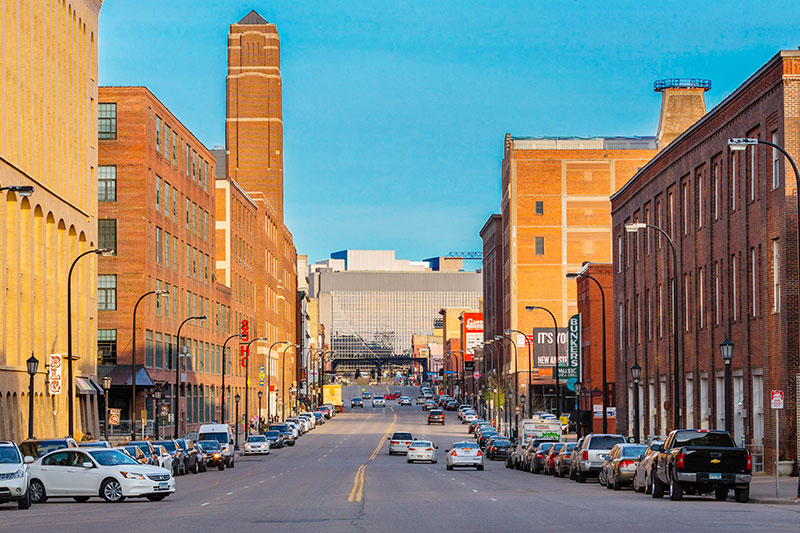
The North Loop sits along the Mississippi River in Minneapolis, MN, with a population of roughly 7,600 to 7,700 residents. It started as an industrial warehouse district, and that history is still visible in the brick and timber bones of the buildings - which is exactly why buyers come here. You won't find conventional suburban housing stock in this part of the Twin Cities. What you'll find is a market built almost entirely around attached housing, from converted warehouses to newer condo towers.
Buying here means getting comfortable with condo associations, older building infrastructure, and urban pricing. The 55401 ZIP code covers the bulk of the neighborhood, and the local market moves differently from the broader Minneapolis metro. If you want a unit in one of these buildings, come prepared - this is not a market that rewards hesitation.
Current North Loop Market Trends
As of mid-2026, the median sale price for homes in the North Loop sits at roughly $298,000 - up about 0.1% year-over-year, which tells you the pricing environment is stable rather than volatile. Homes are spending a median of 29 days on the market before going under contract.
Inventory is tight. There are typically about 18 active listings available, representing roughly 5.4 months of supply. Sellers are averaging a sale-to-list ratio of around 98.7%, and about 20% of homes sell above the initial list price. That last number matters - you should be ready to make a clean, competitive offer when you find something you like.
Pricing Tiers in the Neighborhood
The $298,000 median doesn't tell the whole story, because different segments of this market pull in very different directions. Some estimates that include higher-end luxury units place average sale prices closer to $449,000. Entry-level condos offer a more accessible starting point, while top-floor penthouses and units with unobstructed river views command a significant premium.
Before you start touring, anchor your budget to the specific type of building you're targeting. Updated units in boutique buildings see the tightest inventory and the most competition. If a fully renovated space is what you're after, plan on offering near asking price.
Property Types Available to Buyers
This market is almost entirely attached housing. There are no traditional single-family homes with private yards in the North Loop. What you're choosing between is older industrial conversions and modern high-rises - those are your two lanes.
Over 1,300 rental units exist in the neighborhood's apartment buildings, but for buyers, the inventory centers on deeded condominiums and a small number of townhomes. Each building type carries different association fees and maintenance realities, so it's worth understanding what you're walking into before you fall in love with a space.
Historic Lofts and Warehouse Conversions
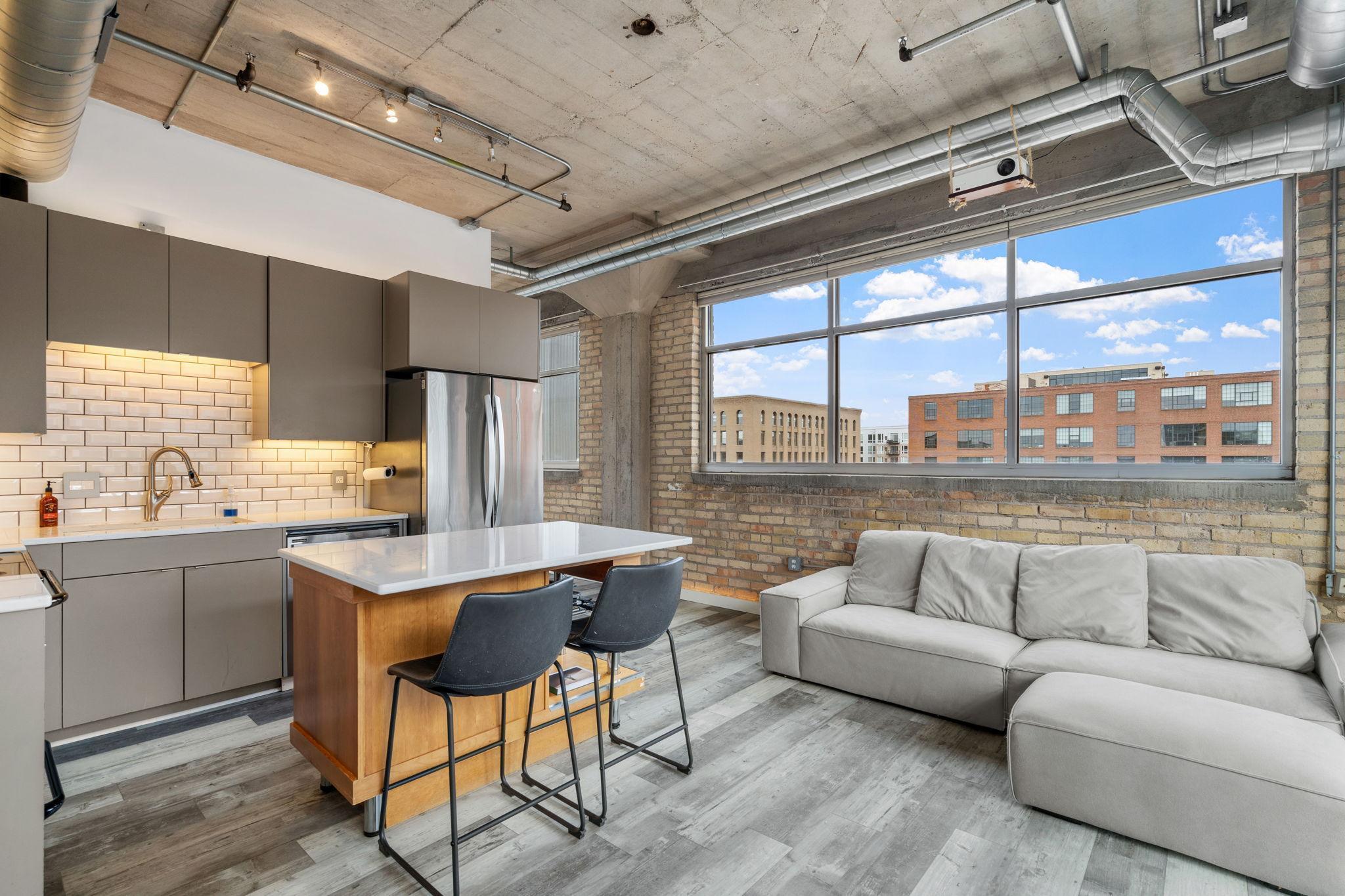
The neighborhood built its reputation on these properties - exposed brick, original timber beams, large industrial windows. Buying a historic loft means owning something genuinely distinct. It also means paying close attention to the building's infrastructure.
Older buildings sometimes hit owners with special assessments to address aging roofs or masonry. Review the HOA reserve funds carefully before you commit to one of these units.
New Construction Condominiums
Over the last decade, developers have added several new condo buildings to the North Loop. These offer modern floor plans, energy-efficient windows, and amenities like rooftop decks and fitness centers.
The tradeoff is price. New construction typically costs more per square foot than older units, though you do get more predictable near-term maintenance costs in exchange.
Townhome Developments
Townhomes are rare in the 55401 ZIP code - but they exist, and for buyers who want a private exterior entrance and an attached garage, they're worth knowing about. That garage matters in a Minnesota winter.
Because there aren't many of them, townhomes tend to move quickly when they hit the market. If this is your target property type, set up immediate listing alerts. Don't wait to see if something looks better next week.
Where to Look Within the Neighborhood
Walking from one end of the North Loop to the other takes about twenty minutes. It's a compact neighborhood, but where your building sits within it will shape your day-to-day experience in ways that aren't obvious from a map.
The immediate surroundings of your unit affect noise levels, access to amenities, and how connected or removed you feel from the neighborhood's energy. It's worth thinking through before you narrow your search.
The Washington Avenue Corridor
Washington Avenue is the main commercial spine of the North Loop. Living near it puts you steps from the neighborhood's primary dining and retail options - but it also means foot traffic, and it means street noise.
Buyers who want to be at the center of things tend to focus their search here. Just go in with clear eyes about what that actually sounds like on a Friday night.
The Mississippi Riverfront
Riverfront properties offer scenic views and direct access to walking and biking trails. The atmosphere is noticeably quieter than the commercial streets inland.
These units tend to fall into the luxury pricing segment. The combination of water views and outdoor recreation access keeps demand high for these specific buildings, and that's reflected in the asking prices.
Properties Near Target Field
The southern edge of the North Loop borders Target Field, home to the Minnesota Twins. Residents in this pocket have easy access to games and the nearby transit station, which is a genuine convenience.
The other side of that coin is game-day crowds and road closures during baseball season. Worth weighing against the transit access before you commit to this part of the neighborhood.
Location and Transit in Hennepin County
The North Loop sits in Hennepin County, just northwest of the downtown Minneapolis core, with the Mississippi River to the northeast and rail lines to the southwest - all within the 55401 ZIP code. The position gives you immediate access to the broader Twin Cities metro, and major roadways are reachable from the neighborhood's edge.
Commuting Across the Twin Cities
If you work in downtown Minneapolis, your commute is often a short walk or a quick ride on a dedicated bike lane. The transit station near Target Field connects residents to the broader metro for longer trips.
For travel out of state, the Minneapolis-St. Paul (MSP) International Airport is a straightforward drive or transit ride from the neighborhood. Public transit routes provide direct access from the North Loop to the airport terminals.
Cost of Living in the Area
The cost of living index for the North Loop sits at roughly 108 - slightly above the national average of 100. Compared specifically to the rest of Minnesota, some indices rate the neighborhood's living costs as high as 127.
Housing costs are the primary driver, running about 85% higher than the national average. Budget accordingly for both your mortgage and your daily expenses - this isn't a low-cost urban neighborhood by any measure.
Income and Expenses
Household income estimates vary by source. Some data shows a median household income around $73,053 with an average of $125,720. Other trackers put median incomes closer to $130,000 to $131,000.
Beyond your mortgage, you need to factor monthly HOA dues into your budget. These fees vary by building, but they're not optional - condo ownership in this neighborhood comes with them.
Year-Round Weather in Minneapolis
Minnesota winters are real. When you're evaluating a condo in the North Loop, ask specifically about the building's heating systems and insulation - it's not a minor detail.
Indoor, heated parking is a genuinely sought-after amenity here. If a unit doesn't include a deeded parking spot, you'll need to secure a monthly lease in a nearby ramp. Leaving your car exposed to the snow is not a viable long-term plan.
Working With a Local Real Estate Agent
You want a real estate agent in North Loop Minneapolis who knows condo transactions and association documents, not someone who primarily sells suburban single-family homes. The nuances of historic warehouse conversions - reserve funds, special assessments, mixed-use building financing - are specific enough that generalist experience doesn't cut it here.
A good local agent will know which buildings have healthy reserves and which ones are heading toward a special assessment. That knowledge is worth more than a smooth sales pitch.
Selecting the Right Professional
Interview at least two or three agents before signing a representation agreement. Ask specifically about their recent sales volume within the 55401 ZIP code - not Minneapolis broadly, but here.
Ask for examples of how they've handled complex HOA document reviews. Reading and interpreting those financial documents is just as important as what they do at the negotiating table.
Understanding Agent Commissions
Real estate commissions in Minnesota are negotiable and typically split between the buyer's agent and the seller's agent. Talk through compensation structures during your first conversation.
Make sure you understand how your agent gets paid if the seller doesn't offer a co-op commission, and get all fee agreements in writing before you start touring properties.
Steps to Close on a Property
The buying process in Minnesota follows a specific timeline from pre-approval to closing. With homes in the North Loop selling in roughly 29 days, you don't have the luxury of organizing your finances after you find a place you like. Sellers expect clean, well-prepared offers - not offers contingent on getting your paperwork together.
Securing Financing Early
Get a pre-approval letter from a local lender who understands condo financing. Some loan products have strict rules about the percentage of commercial space allowed in a mixed-use building.
If you're looking at a historic loft above a ground-floor restaurant, your lender has to verify that the building meets their specific underwriting guidelines before any of the rest of it matters.
Structuring Your Offer
Your agent will help you draft the purchase agreement when you're ready to move. Given that homes here sell for nearly 99% of their list price on average, a lowball offer is not a strategy - it's just a way to lose the unit.
Flexibility on the closing date or a stronger earnest money deposit can make your offer more attractive. Your agent will advise you on the right terms based on what they know about the seller's situation.
Inspecting Historic Properties
Get an independent home inspector in the unit regardless of how updated it looks. They'll evaluate the interior systems - HVAC, plumbing, electrical panels - and give you a clear picture of what you're actually buying.
The HOA handles the exterior and common areas, but everything inside the walls of your unit is your responsibility. A thorough inspection is the only way to know you're not inheriting someone else's expensive problems.
Frequently Asked Questions
How much are typical HOA fees for a condo in the North Loop, and what do they usually cover?
It depends on the building and its amenities. HOA fees in the North Loop generally cover exterior maintenance, snow removal, water, and trash service, while buildings with fitness centers and rooftop decks charge higher monthly dues. Factor these fees into your overall housing budget before you start comparing units.
Do most North Loop condos come with deeded parking spaces, or will I need to lease a spot separately?
Many units include at least one deeded parking space, but it's not a given across the board. If a historic loft or new construction condo doesn't come with dedicated parking, you'll need to lease a spot in a nearby parking ramp.
How much street noise should I expect from nightlife and Target Field when buying a loft in the North Loop?
It depends on where you land within the 55401 ZIP code. Units along the Washington Avenue corridor or directly adjacent to Target Field will see more foot traffic and event-day congestion than properties along the quieter Mississippi Riverfront.
What is the difference between buying real estate in the North Loop versus the nearby Mill District?
Both neighborhoods offer urban living along the river, but the North Loop has a larger concentration of historic warehouse conversions and a prominent dining scene along Washington Avenue. The North Loop housing market currently sees a median sale price of roughly $298,000, with tight inventory for updated boutique units.
Are there any single-family homes for sale in the North Loop, or is the market strictly condos and townhomes?
The North Loop is almost exclusively attached housing. You'll find historic lofts, new construction condominiums, and a small number of townhomes - but traditional detached single-family homes aren't part of this market.
Can I use a standard conventional loan to buy a historic warehouse conversion in the North Loop?
Usually yes, but the specific building has to meet the lender's guidelines. If the loft sits in a mixed-use building with ground-floor commercial space, the lender will check the ratio of commercial to residential square footage before approving the loan.